
Can I Live in a Shed in Michigan? What You Need to Know
The idea of shed living — a tiny, affordable, mortgage-free space — is appealing. But before you convert a shed into a full-time residence, it's essential to understand Michigan's zoning laws, building codes, and what's legally required. Here's a straightforward guide.
The Short Answer
In most Michigan townships, you cannot legally live in a shed as a primary residence. Sheds are classified as accessory structures, not dwellings. To legally live in any structure, it must meet residential building codes, which include requirements that most sheds don't satisfy.
However, there are legal paths to using a shed- or cabin-style building as a guest house, backyard retreat, office, or seasonal cabin — as long as you understand the boundaries.
Why You Can't Just Live in a Shed
Michigan building codes distinguish between accessory structures (sheds, garages, gazebos) and dwelling units (houses, apartments, ADUs). To be a legal dwelling, a structure must meet requirements including:
- Minimum square footage — Many townships require 600–800+ sq ft for a dwelling
- Permanent foundation — Not skids; a concrete slab or full foundation
- Plumbing — Full bathroom and kitchen facilities, connected to septic or sewer
- Electrical — Permitted, inspected electrical system
- Insulation — Meeting energy code requirements
- Egress — Properly sized exit windows in sleeping areas
- Ceiling height — Minimum 7 feet in habitable spaces
- Zoning approval — The lot must be zoned to allow a second dwelling
Most sheds meet none of these requirements out of the box. Converting one to meet all of them is a significant construction project — often costing more than the shed itself.
What You CAN Do Legally
While full-time shed living is generally off the table, there are several legal and practical uses:
1. Backyard Office or Studio
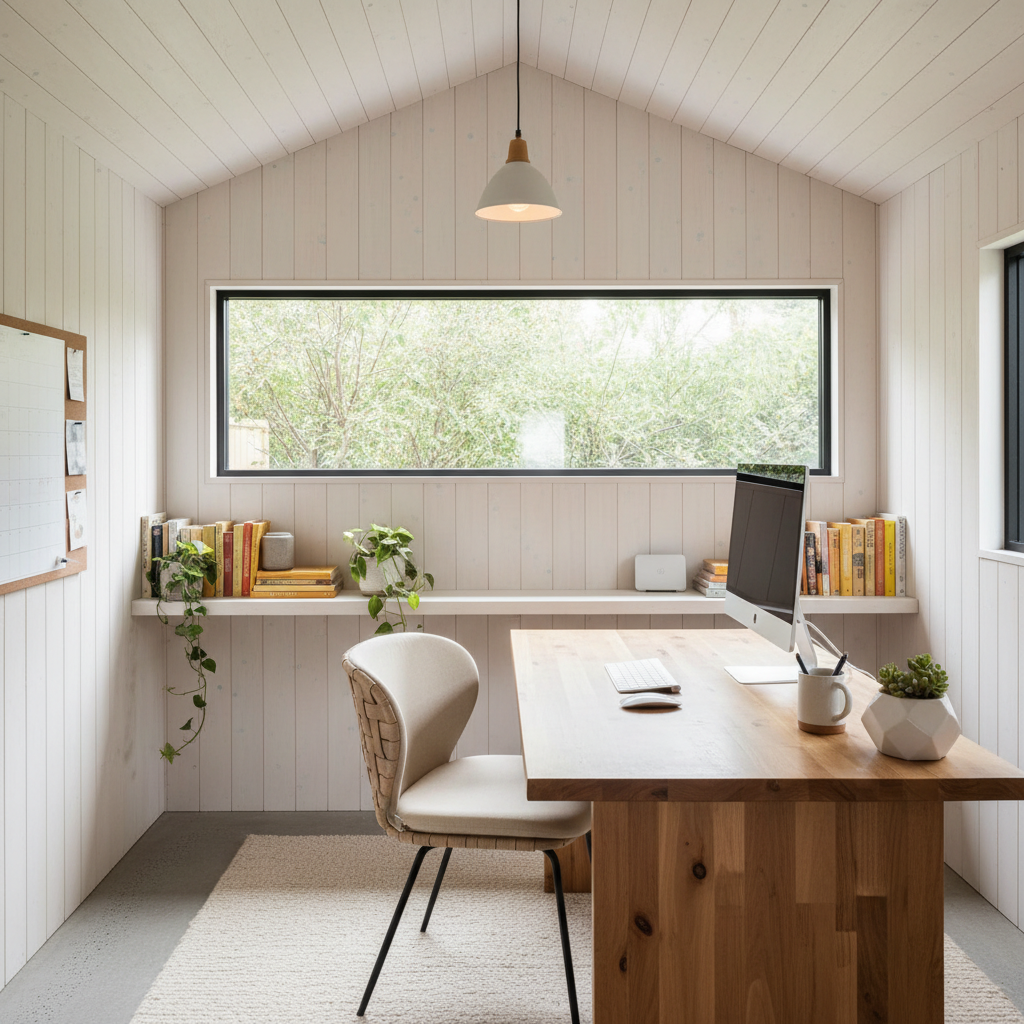
A shed used as a home office, art studio, or hobby space — without plumbing or sleeping — is typically treated as an accessory structure. As long as it meets size and setback requirements, this is the most common and code-friendly use.
- No plumbing means no dwelling permit trigger
- Electrical can be added with a permit (hire a licensed electrician)
- Insulation makes it comfortable year-round
Read our backyard office guide →
2. Seasonal Cabin or Guest House
A large shed or cabin-style building used for occasional guest stays or seasonal use is more of a gray area. Some townships allow this if:
- The building meets accessory structure requirements (under 200 sq ft may not need a permit; larger ones may)
- No full-time residency is claimed
- Plumbing, if added, is properly permitted
However, rules vary widely by township. Some treat any structure with a bed as a potential dwelling and require full compliance. Always check with your local zoning office.
Compare tiny homes vs. cabins →
3. Shed-to-Cabin Conversion (Shell Approach)
The most practical path for those who want a cabin-style structure:
- Start with a large shed shell — Our 14'×32' or larger lofted barn sheds provide 400+ sq ft
- Add insulation, electrical, and finishes — Either DIY or with contractors
- Use as a seasonal or occasional space — Not a primary residence
- Add plumbing only if you're prepared for full permitting
This gives you a cabin-style retreat at a fraction of the cost of a traditional build, while staying on the right side of zoning for accessory use.
See our shed-to-cabin transformations →
The Permit Reality
Here's how permits work for different scenarios:
| Use Case | Permit Likely Required? | Notes | |---------|----------------------|-------| | Storage shed (no utilities) | Often no (under 200 sq ft) | Simplest path | | Office/studio (electrical only) | Yes for electrical | Accessory structure + electrical permit | | Guest house (with plumbing) | Yes — multiple permits | May trigger dwelling requirements | | Full-time living | Yes — full residential | Must meet all dwelling codes |
Read our complete Michigan permit guide →
What About Tiny Homes on Wheels?
Tiny homes on wheels (THOWs) occupy a regulatory gray area. Some Michigan communities treat them as RVs (subject to RV parking rules), while others don't allow them at all for full-time living. The rules are evolving but still restrictive in most areas.
If you're interested in tiny home living, research your specific township's rules on THOWs, RV occupancy, and accessory dwelling units. Don't assume — verify before investing.
The Cost of Conversion
If you're determined to convert a shed into a living space, here's what to budget:
| Component | Typical Cost | |-----------|-------------| | Large shed shell (14'×32') | $8,000–$12,000 | | Permanent foundation (concrete) | $3,000–$6,000 | | Insulation (walls, ceiling, floor) | $2,000–$4,000 | | Electrical (permitted) | $2,000–$5,000 | | Plumbing (permitted, if adding bath/kitchen) | $3,000–$8,000 | | Interior finishes (drywall, flooring, fixtures) | $3,000–$8,000 | | Total | $21,000–$43,000+ |
By comparison, a traditional tiny home on wheels costs $30,000–$80,000+ fully finished. The shed-conversion path can be more affordable, but the permitting and code-compliance costs add up.
Practical Advice
- Talk to your zoning office first — Before buying anything, call your township zoning department. Ask about accessory structures, guest houses, and dwelling requirements. This 10-minute call can save you thousands.
- Start with a legal use — Use the shed as an office, studio, or storage first. You can always upgrade later if zoning allows.
- Permit everything — If you add electrical or plumbing, get the permits. Unpermitted work creates problems when you sell and can be unsafe.
- Be realistic about full-time living — If you want to live in the structure full-time, you'll likely need to meet residential codes. A shed-to-cabin conversion is a great project, but understand its limits.
Explore Your Options
- Browse large sheds suitable for conversion →
- See cabin-style buildings →
- Design a custom building →
- Talk to us about your project →
At Blue Barn Outdoor Living, we build high-quality shed and cabin shells that make excellent starting points for offices, studios, guest spaces, and seasonal retreats. While we can't advise on whether your specific township allows full-time living, we can help you choose the right building and provide specs for your zoning conversations.
Call us at (269) 427-2214 to discuss your project.