Shed Permits in Michigan: A Complete Guide
Adding a shed to your Michigan property is one of the easiest home improvements you can make — but before you buy, it's important to understand your local permit requirements. The good news: most backyard sheds in Michigan don't require a permit. The details, however, vary by township and city. Here's everything you need to know.
The 200-Square-Foot Rule
Most Michigan townships do not require a building permit for accessory structures under 200 square feet (roughly 10'×20' or 14'×14'). This is the most common threshold across the state. However, some jurisdictions set the limit lower — at 120 or even 100 square feet — while others use different criteria entirely.
Always confirm with your local zoning office before purchasing. A two-minute phone call can save you a costly mistake.
Setback Requirements
Even when no permit is needed, nearly every township enforces setback rules — the minimum distance your shed must sit from property lines and other structures. Common setback guidelines include:
- 5–10 feet from side and rear property lines
- 15–30 feet from the front property line
- 5–10 feet from your house or other structures
- Clear of all utility easements and underground lines
- Clear of septic fields and drain fields
Violating setbacks can result in fines or a forced move, so measure carefully before delivery.
Portable vs. Permanent Structures
This is where Michigan shed owners have an advantage. Portable buildings — like the sheds we build at Blue Barn — rest on pressure-treated skids rather than a permanent foundation. Many townships treat portable structures differently from permanent ones, sometimes exempting them from permits entirely.
That said, the definition of "portable" varies. Some jurisdictions consider any building with a floor and walls to be permanent, regardless of foundation. Others look at whether the building is anchored or could be relocated. Your zoning office can clarify how they classify portable sheds.
Height Restrictions
Some townships cap the height of accessory structures, often at 12–15 feet measured from grade to the peak of the roof. If you're considering a lofted barn style (which adds headroom), confirm the height limit in your area. Our standard sheds typically fall well within these limits.
How to Check Your Requirements
Follow these four steps before ordering your shed:
- Call your local township or city zoning office. Find their number on your municipality's website.
- Ask about accessory structure permits. Use the phrase "storage shed" or "accessory structure" — zoning staff will know exactly what you mean.
- Ask about setback rules for your zoning district. Every district (residential, agricultural, rural) can have different requirements.
- Ask whether portable buildings have different rules. Mention that the shed will sit on skids, not a permanent foundation.
Common Michigan Township Examples
While we can't list every township's rules, here are general patterns we see across Southwest Michigan:
- Rural/agricultural townships — Often the most lenient, with higher size limits and fewer restrictions.
- Suburban residential townships — More likely to require permits and enforce strict setbacks.
- Cities with HOAs — May have additional architectural review on top of municipal rules.
What About Electrical or Plumbing?
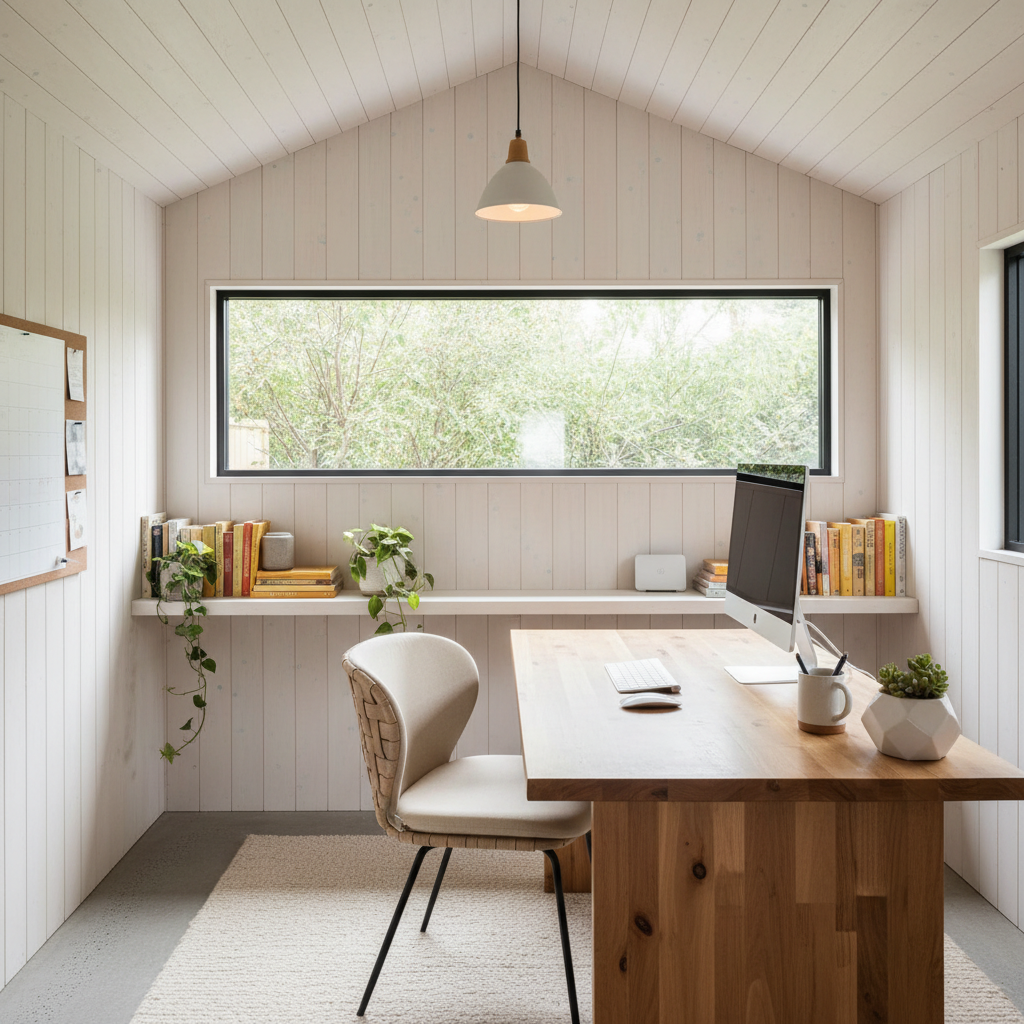
If you plan to add electrical wiring, plumbing, or a permanent heat source to your shed, those additions almost always require permits — even if the shed itself doesn't. You'll need a licensed electrician or plumber to pull the proper permits and complete the work to code.
We Can Help
We deliver across Southwest Michigan and have navigated permit requirements in dozens of townships. When you order, share your township name with us and we'll help you understand what to expect. Contact us with your township info →
Quick Permit Checklist
- [ ] Confirm your shed size is under the local permit threshold
- [ ] Measure your planned site against setback rules
- [ ] Check for easements, septic fields, and utility lines
- [ ] Verify height limits if considering a lofted style
- [ ] Call your zoning office to confirm
Ready to move forward? Browse our inventory →