
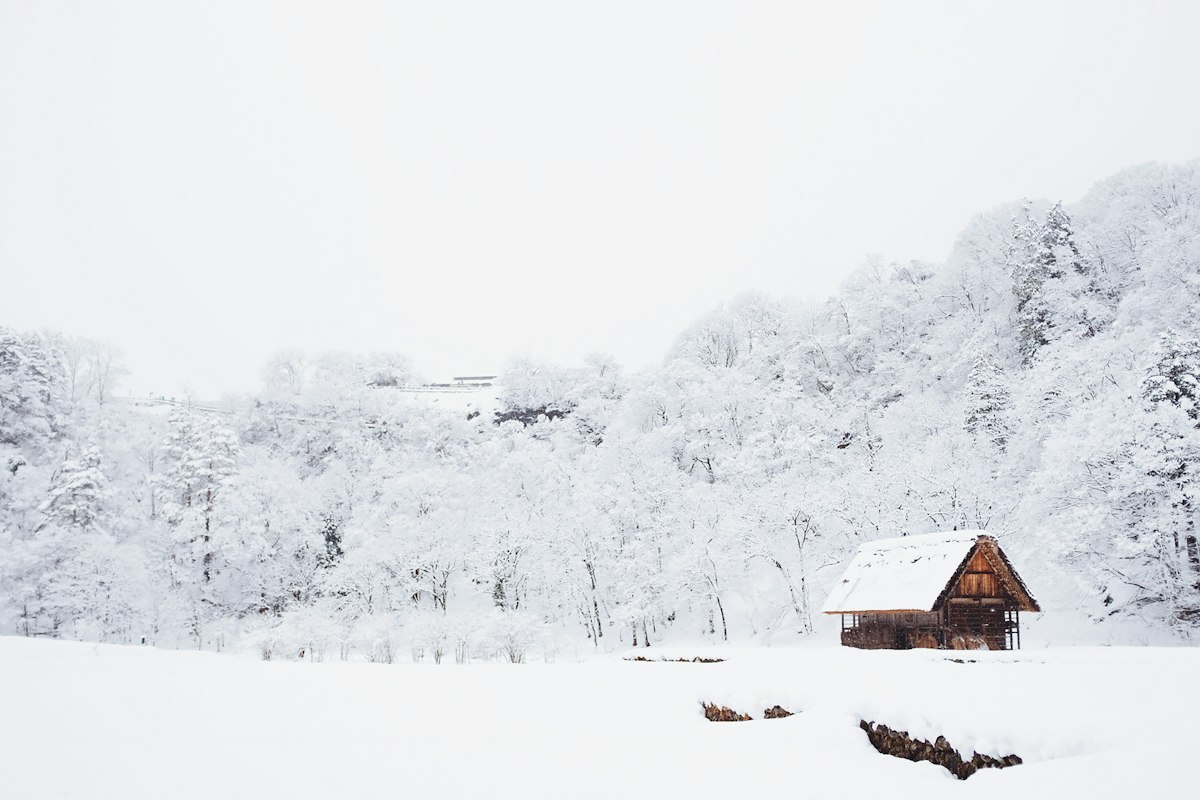
Winterizing Your Shed: Michigan Cold-Weather Protection
Michigan winters are tough on outdoor buildings. Freeze-thaw cycles, heavy snow, ice dams, and months of moisture can take a toll on even the best-built shed. But with a few simple steps each fall, you can protect your investment and keep your shed in top shape for decades. Here's how to winterize your shed for Michigan weather.
Why Winterizing Matters
Michigan's climate presents unique challenges for outdoor structures:
- Freeze-thaw cycles — Ground freezes and thaws repeatedly, causing foundations to shift (frost heave)
- Heavy snow loads — Wet snow can weigh 20+ pounds per cubic foot
- Ice dams — Melting and refreezing snow can trap water on the roof
- Moisture — Winter condensation, snow melt, and freeze-thaw all introduce moisture
- Temperature swings — Expanding and contracting materials stress joints and seals
A properly winterized shed handles all of these gracefully. A neglected one may develop leaks, door alignment issues, or structural stress.
Fall Inspection Checklist
Before the first hard freeze, do a thorough inspection:
- [ ] Roof — Check for missing, curling, or damaged shingles. Look for signs of leaks inside the shed (water stains, mold, damp spots).
- [ ] Doors — Open and close all doors. If they stick or rub, the shed may have shifted and needs re-leveling.
- [ ] Windows (if applicable) — Check for gaps around window frames. Reseal with caulk if needed.
- [ ] Siding — Look for cracks, rot, or areas where siding has pulled away from the frame.
- [ ] Foundation — Check that the ground around the shed slopes away (not toward) the building. Look for erosion or settling.
- [ ] Vegetation — Trim back any bushes, branches, or vines touching the shed.
- [ ] Gutters (if installed) — Clean out leaves and debris so water can flow freely.
- [ ] Interior — Check for signs of pests looking for winter shelter (droppings, nests, chewed wood).
Roof and Snow Load
Our sheds use architectural shingles rated for 25–30 years and are built to handle Michigan snow loads. But a few precautions help:
- Steep-pitch roofs (gambrel, gable) shed snow naturally and rarely need attention
- Low-pitch roofs may accumulate snow — if more than 2–3 feet builds up, carefully remove it with a roof rake (never climb on a snowy roof)
- Watch for ice dams — If you see ice building up at the roof edge, it may be trapping water. Carefully chip away channels for water to escape.
- Inspect after major storms — A quick visual check after heavy snow or ice storms catches problems early.
Sealing Gaps and Drafts
Gaps let in cold air, moisture, and pests. Check and seal:
- Door weatherstripping — Replace worn or compressed weatherstripping around doors. A tight seal keeps out cold, moisture, and rodents.
- Door sweep — The gap under the door is the #1 entry point for cold air and mice. Install or replace a door sweep.
- Window caulk — Check window frames for cracked or missing caulk. Reseal as needed.
- Siding gaps — Look for areas where siding meets trim or the foundation. Small gaps can be sealed with appropriate exterior caulk.
- Ventilation — Don't seal all vents! Proper ventilation prevents moisture buildup. Seal unwanted gaps but keep intentional vents open.
Foundation and Drainage
This is the most critical area for Michigan sheds. Frost heave — the ground freezing and expanding — can shift the shed, causing doors to stick and structural stress.
- Ensure proper drainage — The ground within 3–4 feet of the shed should slope away from the building. If water pools near the shed, regrade or add soil to redirect flow.
- Check the gravel pad — If the pad has eroded or settled, add fresh gravel and re-level before winter.
- Don't let snow pile against the siding — Shovel snow away from the shed base. Piled snow against siding traps moisture and accelerates aging.
- Watch for frost heave — If doors start sticking in mid-winter, the ground may be heaving. This is usually temporary — the shed often settles back when the ground thaws. If it doesn't, the shed may need re-leveling in spring.
Read our complete foundation guide →
Moisture Control
Winter moisture is a shed's silent enemy. Here's how to manage it:
- Ventilation — Keep vents open. Airflow prevents condensation from building up inside the shed, which can cause mold and rot. If your shed doesn't have vents, consider adding them.
- Raise items off the floor — Store boxes and items on shelves or pallets, not directly on the floor. This prevents moisture wicking up from the ground.
- Use moisture absorbers — Place moisture-absorbing products (DampRid or similar) inside the shed to control humidity.
- Check for leaks — After rain or snow melt, check the interior ceiling and walls for water stains or dampness. Address any leaks promptly.
If You Use the Shed in Winter
If you use the shed as a workshop, office, or hobby space during cold weather:
- Insulate — Wall insulation (R-13), ceiling insulation (R-19 to R-30), and floor insulation (R-19) make the space comfortable and prevent condensation. Add a vapor barrier to prevent moisture buildup in walls.
- Add a heat source — A mini-split HVAC system is the most efficient option. Electric heaters work for small spaces. Never use unvented combustion heaters (propane, kerosene) in a shed — carbon monoxide risk.
- Protect pipes — If the shed has plumbing, insulate exposed pipes and add heat tape. Disconnect and drain hoses before the first freeze.
- Consider a vapor barrier — In insulated sheds, a vapor barrier on the warm side of the insulation prevents condensation inside the walls.
Read about backyard office shed setups →
Pests Seeking Winter Shelter
Mice, squirrels, and other rodents look for warm winter homes. A few simple steps keep them out:
- Seal all gaps — Mice can squeeze through gaps as small as a dime. Check around the foundation, doors, and utility penetrations.
- Install a door sweep — The gap under the door is the most common entry point.
- Keep food out — Don't store birdseed, pet food, or other edibles in an unsealed shed.
- Use deterrents — Peppermint oil, ultrasonic repellents, or traditional traps can help.
Spring Follow-Up
After winter, do another quick inspection:
- Check for any roof damage from ice or snow
- Verify doors still align (frost heave may have shifted things)
- Check the foundation for settling or erosion
- Look for any moisture damage inside
- Trim vegetation that grew over winter
Learn how long Amish-built sheds last →
The Bottom Line
A quality Amish-built shed is designed to handle Michigan winters for 20–30+ years. The key winterizing tasks — inspecting the roof, sealing gaps, managing drainage, and keeping snow away from the siding — take just an hour or two each fall and prevent the vast majority of cold-weather damage.
If you notice any issues during your inspection — roof damage, door misalignment, foundation concerns — contact us → and we'll help assess and resolve the problem.